
Accounts Receivable Pitfalls for Small Business Owners
For small business owners, cash flow management is one of the most critical aspects of financial stability. One major challenge? Poor accounts receivable (A/R) management.
Late or missed payments can lead to cash shortages, delayed operations, and financial stress—hurting long-term business success. Without a solid system in place, your business could suffer from unpaid invoices, poor collections processes, and cash flow gaps.
Here are the top 5 accounts receivable pitfalls that small businesses face—and how to avoid them.
1. Poor Expectations with Customers
Many small businesses fail to communicate clear payment terms, leading to confusion, delayed payments, and disputes. If your customers don’t know when payments are due or what penalties exist for late payments, they might not prioritize paying you on time.
How to Avoid This Pitfall:
- Set Clear Payment Terms – Define terms such as Net 15, Net 30, or payment upon receipt before starting any work.
- Be Upfront About Late Fees – Inform customers of any penalties or interest charges for overdue invoices.
- Document Agreements in Writing – Include payment terms in contracts, invoices, and service agreements to avoid misunderstandings.
Expert Tip: Encourage early payments by offering small discounts for customers who pay before the due date—this keeps cash flow steady!
2. Lack of Documentation on Payment Terms
Failing to get written agreements from clients can leave your business vulnerable to payment disputes. Without signed contracts or clear documentation, collecting overdue invoices becomes much harder.
How to Avoid This Pitfall:
- Use Contracts for Every Project – Even for small jobs, have a contract that outlines payment schedules, late fees, and accepted payment methods.
- Require Binding Signatures – Digital or handwritten, ensure both parties sign the agreement to acknowledge the terms.
- Include Payment Terms on Invoices – Clearly state the due date, penalties, and any early payment discounts to reinforce expectations.
Why This Matters: If a client disputes a charge, a well-documented contract protects your business and strengthens your position in case of legal action.

3. Not Aligning Payment Schedules with Project Timelines
Many businesses structure payments based on project completion, rather than staggering payments throughout the process. This often results in cash flow shortages, forcing businesses to cover expenses before collecting revenue.
How to Avoid This Pitfall:
- Break Payments into Milestones – Instead of waiting until the end, collect deposits upfront and require staged payments as the project progresses.
- Be Realistic About Timing – Consider the time spent on a project and ensure you’re paid before major costs hit.
- Factor in Labor & Overhead Costs – Don’t just bill based on material costs—account for labor hours and operational expenses in your pricing.
Example: A graphic design agency working on a 3-month branding project can charge:
- 33% upfront deposit
- 33% at the halfway point
- 34% upon final delivery
This prevents cash flow gaps and ensures consistent revenue.
4. Not Having a Clear System for Tracking Accounts Receivable
If you don’t have an organized way to track unpaid invoices, it’s easy to lose track of outstanding payments, causing delays in collections.
How to Avoid This Pitfall:
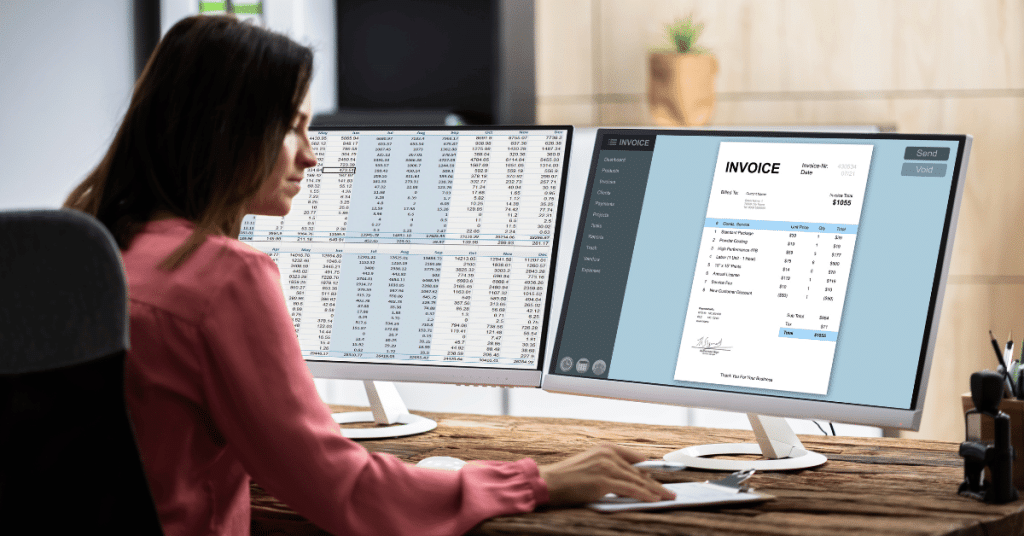
- Use Accounting Software – Platforms like QuickBooks, Xero, and FreshBooks allow for automated tracking, invoicing, and payment reminders.
- Automate Payment Reminders – Set up automatic email notifications for upcoming and overdue invoices.
- Standardize Internal Collection Processes – Have a system for following up on unpaid invoices via phone, email, or legal notices if necessary.
Expert Tip: Review A/R weekly to identify unpaid invoices before they become a problem.
5. Not Prioritizing Accounts Receivable Management
Many small business owners juggle multiple roles—leaving A/R management on the back burner. Unfortunately, delayed attention to unpaid invoices leads to longer collection cycles, cash flow issues, and financial stress.
How to Avoid This Pitfall:
- Set a Weekly A/R Review Time – Dedicate time each week to review outstanding invoices, follow up with clients, and document payments.
- Outsource if Necessary – If managing A/R is overwhelming, consider hiring a bookkeeper or using a professional collections service.
- Monitor Payment Trends – Identify frequent late payers and adjust terms (e.g., requiring upfront deposits) for unreliable customers.
Fact: Businesses with poor A/R management often experience 45-60 day payment delays, significantly affecting cash flow.

Protect Your Cash Flow with Smarter A/R Management
Late payments and poor accounts receivable practices can put your business at risk—but with the right systems and strategies, you can maintain financial stability and steady cash flow.
- Set clear payment terms & document agreements
- Use software to track unpaid invoices & automate reminders
- Align payment schedules with project milestones
- Regularly monitor accounts receivable & follow up on overdue payments
With proactive accounts receivable management, you won’t have to worry about chasing down payments when it’s time to pay your own bills.
Need Help Managing Your Accounts Receivable?
At Get Better Bookkeeping, we help businesses organize their finances, track payments, and improve cash flow management.
Contact us today to ensure your business is financially stable and running smoothly.

